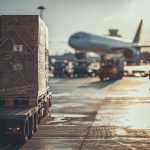
The Port of Mombasa clearance process is the system used to legally release imported goods at Kenya’s main seaport. Every day, thousands of containers, vehicles, and commercial cargo pass through the Port of Mombasa. However, many importers experience delays, penalties, and high storage costs due to poor understanding of this clearance process.
This guide explains the Port of Mombasa clearance process step by step and shows why working with a trusted clearing agent like Waki Clearing Services can save you time and money.
If you are new to importing or want smoother clearance, this guide is for you.
👉 Learn more about our experience on the About Waki Clearing Services page.
What Is the Port of Mombasa Clearance Process?
The clearance process refers to all procedures required to legally release imported goods from the port. These procedures are regulated by the Kenya Revenue Authority (KRA) and coordinated through port systems managed by the Kenya Ports Authority (KPA).
Clearing cargo involves:
- Documentation submission
- Duty and tax payment
- Cargo inspection
- Port release and delivery
Without a licensed clearing agent, this process can be stressful and costly.
Step-by-Step Port of Mombasa Clearance Process
1️⃣ Arrival of Cargo at the Port of Mombasa
Once goods arrive at the Port of Mombasa, shipping lines issue an Arrival Notice. This notice confirms that the cargo has reached the port and is ready for clearance.
At this stage, delays can begin if documents are missing or incorrect.
2️⃣ Document Preparation and Verification
Proper documentation is critical for smooth clearance. Required documents usually include:
- Bill of Lading
- Commercial Invoice
- Packing List
- Import Declaration Form (IDF)
- Certificate of Conformity (CoC)
A professional clearing agent reviews all documents before submission to avoid errors.
At Waki Clearing Services, we verify documents early to prevent delays and penalties. View our full customs clearing and forwarding services in Kenya to see how we assist importers.
3️⃣ Customs Declaration with KRA
After document verification, the clearing agent submits the customs declaration to the Kenya Revenue Authority (KRA) through the customs system.
KRA then:
- Assesses import duty and taxes
- Determines inspection requirements
- Approves or flags the cargo
Any mistakes at this stage can result in fines or cargo being held.
4️⃣ Duty and Tax Payment
Once KRA completes the assessment, importers must pay:
- Import duty
- VAT
- Excise duty (if applicable)
Timely payment is important to avoid storage charges. A licensed clearing agent ensures accurate calculations and quick processing.
5️⃣ Cargo Inspection at Mombasa Port
Some cargo is selected for inspection. This may include:
- Physical inspection
- Scanner inspection
- Verification of declared goods
Inspection is conducted jointly by customs officials and port authorities under Mombasa Port operations managed by the Kenya Ports Authority (KPA).
Professional coordination reduces inspection delays.
6️⃣ Port Charges and Release
Before cargo release, port-related charges must be settled. These may include:
- Port handling fees
- Storage charges (if clearance is delayed)
Once cleared, the cargo is released from the port for delivery.
7️⃣ Cargo Delivery or Collection
After release, goods can be:
- Transported to the importer’s warehouse
- Collected by the owner
- Delivered through a logistics partner
Waki Clearing Services assists clients through final delivery coordination for a smooth experience.
Port of Mombasa clearance process for vehicles
Vehicle imports follow a similar process but require extra steps such as:
- Vehicle valuation
- NTSA verification
- Chassis number confirmation
Using a professional agent for vehicle import clearance in Kenya ensures compliance and faster release.
Common Challenges Importers Face at the Port of Mombasa
Many importers face problems such as:
- Incorrect documentation
- Under-declared cargo
- Late duty payments
- Using unlicensed clearing agents
These mistakes often lead to higher costs and long delays.
Working with a licensed clearing agent prevents these issues.
Why Use Waki Clearing Services at the Port of Mombasa?
Waki Clearing Services is a trusted clearing and forwarding company in Kenya. We understand customs regulations, port procedures, and compliance requirements.
Why Clients Choose Us
- Licensed and experienced clearing agents
- Fast customs processing
- Transparent pricing
- Full compliance with KRA regulations
- Reliable customer support
We also coordinate permits through the Kenya Trade Network Agency (KenTrade) to ensure smooth approvals.
How Long Does port of Mombasa Clearance Take?
Clearance time depends on:
- Type of cargo
- Document accuracy
- Inspection requirements
On average:
- Vehicles: 3–7 working days
- Commercial cargo: 5–10 working days
With proper documentation and a reliable agent, clearance is faster and stress-free.
Why Professional Clearing Agents Matter
Attempting to clear cargo without experience can lead to:
- Higher costs
- Legal issues
- Cargo seizure
Professional clearing agents follow international customs standards set by organizations such as the World Customs Organization (WCO).
This ensures safe and lawful trade operations.
Contact Waki Clearing Services Today
If you are importing goods through the Port of Mombasa, work with a trusted clearing partner. Waki Clearing Services is committed to fast, reliable, and compliant cargo clearance.
📞 Need help today? Contact Waki Clearing Services for a quote or consultation.