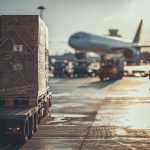
Customs delays Mombasa Port can cost businesses significant time and money. The Port of Mombasa is Kenya’s largest and busiest seaport, handling the majority of goods imported into the country and East Africa. Delays during customs clearance can lead to demurrage charges, storage fees at Container Freight Stations (CFS), and supply chain disruptions.
Understanding the Customs Clearance Process
All imports into Kenya must pass through the Kenya Revenue Authority (KRA) Customs Department. The clearance process involves verifying documentation, assessing duties and taxes, and, in some cases, inspecting cargo physically.
Any mistakes or compliance issues can halt clearance. Businesses that fail to prepare often face long delays, additional costs, and penalties. Understanding the process helps you plan ahead and reduce clearance time.
👉 Learn more at the official KRA site: https://www.kra.go.ke
Common Causes of Customs Delays Mombasa Port
1. Incomplete or Incorrect Documentation
Documentation errors are the top cause of delays. Customs uses documents to verify goods, their value, and origin. Common mistakes include:
- Missing commercial invoices or packing lists
- Inconsistent product descriptions
- Incorrect declared values
- Mismatch between the bill of lading and actual cargo
Even minor discrepancies can trigger inspections or hold-ups.
2. Incorrect HS Codes
Every imported item must be classified using the correct Harmonized System (HS) code, which determines applicable duties and taxes. Incorrect HS codes often lead to inspections, fines, or reassessment, slowing the clearance process.
Reference: KRA HS Codes Guide
3. Import Declaration Form (IDF) Problems
An Import Declaration Form (IDF) is mandatory for all imports into Kenya. Delays occur when:
- The IDF is submitted late
- Details on the IDF do not match shipping documents
- The IDF is rejected or queried
Since the IDF is central to customs processing, any issue here can stop clearance entirely.
4. Regulatory Compliance Issues
Some goods require approvals from government agencies:
- KEBS – Kenya Bureau of Standards (product quality compliance)
- KEPHIS – Kenya Plant Health Inspectorate Service (agricultural products)
- Pharmacy and Poisons Board – medical and pharmaceutical goods
Missing approvals will prevent clearance and often result in prolonged storage and additional costs.
Official resources:
5. Cargo Inspections
Customs inspections are standard. Cargo may be inspected randomly or because of documentation inconsistencies, high-risk goods, or past compliance issues. Poor labeling, packaging, or organization can extend inspection time significantly.
How to Avoid Customs Delays mombasa port
Prepare Documents in Advance
Ensure all documents are complete, accurate, and submitted before the vessel arrives. Key documents include:
- Commercial invoice
- Packing list
- Bill of lading
- Import Declaration Form (IDF)
- Certificates and permits as required
Early submission allows customs to begin processing immediately, reducing potential delays.
Declare Cargo Accurately
Accurate cargo declaration is critical. Misdeclaration or under-declaration may seem like a cost-saving measure but can lead to inspections, penalties, and delays. Correct declarations ensure proper duty assessment and smooth clearance.
Work With a Licensed Clearing and Forwarding Agent
Professional agents know the ins and outs of customs procedures and regulatory compliance. A reliable agent can:
- Spot errors before they become problems
- Handle communications with customs and regulatory bodies
- Expedite clearance to avoid unnecessary delays
Ensure Regulatory Compliance
Confirm that all necessary approvals from KEBS, KEPHIS, and other authorities are in place before shipment. Late approvals almost always result in extended storage and increased costs.
Prepare for Inspections
While not all cargo is inspected, being prepared minimizes delays. Proper labeling, packaging, and organized documentation allow inspections to proceed quickly.
Costs of Customs Delays mombasa port
customs Delays at Mombasa Port are costly. Importers may incur:
- Demurrage charges from shipping lines
- Storage fees at CFS
- Increased transportation costs
- Missed business opportunities
Proactive preparation protects your business, reduces costs, and ensures timely delivery.
Final Thoughts
Customs delays at Mombasa Port can be avoided with careful planning, accurate documentation, regulatory compliance, and professional support. By following the steps above, businesses can reduce clearance time, save money, and maintain a smooth supply chain.
👉 Related reading: Customs Clearance Process Mombasa Port
👉 Need help clearing your cargo? Contact Waki Clearing offers professional clearing and forwarding services across Kenya.